When a warning light appears on the dashboard, it typically denotes a potential problem within the engine oil pressure system. The P0521 error code, retrieved through an OBD-II scanner or code reader, signifies a deviation in oil pressure, either excessive or insufficient. This impacts critical moving parts and must be addressed to keep the engine running efficiently. A quick diagnosis is required to prevent components from becoming worn or damaged.
This guide provides a comprehensive view to help professionals understand the specific trouble code and its probable causes. A faulty pressure switch, often behind the alert, requires immediate attention and structured fixes. With expert analysis, one can learn what the code truly means and apply logical steps to correct the issue. Being equipped to find, evaluate, and get the system repaired is part of mastering vehicle systems diagnostics.
What Does the P0521 Code Mean?
The P0521 trouble code, also labeled as a DTC, is a diagnostic alert from the powertrain control module (PCM), typically triggered when the engine oil pressure readings fall below, go higher, or remain fixed for too long outside the predicted range of performance. This code often points to a faulty oil pressure sensor or an insufficient pressure condition, especially in engines using timing chain tensioners like the 3-valve Ford, where pressure drops below 24 psi due to worn camshaft saddles, causing the tensioner to fail its job and the timing chains to rattle. In my technical experience, a three-wire sensor powered by 5 volts, with a signal return ground and signal voltage that varies, plays a critical role in detecting and reporting to the PCM.
When this sensor detects an irregularity, it is flagged by the OBD-II system. The car’s computer may perceive an anomaly, causing the check engine light and low oil warning light to illuminate or activate. If unaddressed, this issue may lead to complete engine failure, so it’s important that once the vehicle is diagnosed and the error code received, you stop driving and have it towed for repairs. Often, it’s an abnormal amount or lack of pressure that causes this situation, and understanding how to monitor the value of pressure helps prevent long-term damage.
What are the Possible Causes of the P0521 Code?
Understanding what causes the P0521 engine code is essential to performing a reliable fix. This trouble code often relates to either mechanical wear or electronic faults within the oil pressure system. Below are the most frequent culprits behind this error, each explained briefly for clarity.
Low Engine Oil Level
When the engine oil level is too low, the oil pump struggles to maintain the necessary pressure. This affects the sensor’s ability to deliver accurate data to the PCM. Insufficient oil volume can trigger P0521 due to fluctuating or unstable pressure readings.
Low Oil Pressure

Low oil pressure often results from worn engine components, leaks, or clogged passages. Without enough pressure, critical engine parts receive less lubrication. This condition directly prompts the PCM to flag the P0521 code as a protective measure.
Internal Engine Wear
With time and mileage, internal engine wear becomes inevitable, especially in bearings and oil channels. Increased clearances reduce pressure, disrupting sensor readings. The PCM detects these inconsistencies and may trigger P0521 to indicate internal degradation.
Defective Oil Pressure Sensor
A defective oil pressure sensor cannot accurately detect real-time pressure changes. This leads to false signals being sent to the PCM, which interprets them as abnormal. Even if pressure is normal, the faulty sensor may still cause the P0521 code.
Disconnected or Faulty Wiring in the Oil Pressure Circuit
Disconnected or faulty wiring within the oil pressure circuit prevents proper data flow between the sensor and the PCM. Corrosion, pin damage, or loose connections can alter voltage signals. This electrical interruption is enough to falsely trigger P0521.
Defective Oil Pump
A defective oil pump can’t generate or sustain the pressure required to lubricate the engine effectively. As pressure drops, the PCM registers this failure and sets the P0521 code. Addressing this promptly can help prevent engine damage.
Incorrect Oil Filter

Installing an incorrect oil filter may disrupt flow dynamics or cause pressure spikes or drops. Poor fitment or incorrect bypass valve settings can trigger erratic readings. This misbehavior often results in a P0521 alert from the PCM.
Sludge Buildup Inside the Engine Restricts Oil Flow
Sludge buildup forms due to infrequent oil changes or poor-quality oil. It clogs vital oil passages, restricting flow and reducing pressure. This contamination leads the PCM to misinterpret system performance and issue the P0521 code.
PCM Problems (e.g., Outdated Software)
When PCM problems occur—especially outdated software—sensor data may be misread or misinterpreted. The system could react to valid pressure as if it were abnormal. Reprogramming or updating the PCM often resolves these false P0521 alerts.
What are the Common Symptoms of the P0521 Code?
When your vehicle registers the P0521 engine code, it’s usually trying to warn you about an issue with oil pressure regulation. This trouble code can manifest through several clear symptoms, and identifying them early can make the difference between a simple repair and major engine damage. Based on my diagnostic experience, these warning signs often appear in clusters, and paying attention to them is essential for maintaining the health of your vehicle. Below are the most common symptoms you should watch out for.
Check Engine Light

Canva.
One of the earliest and most noticeable symptoms of P0521 is the activation of the check engine light. This light comes on when the PCM detects abnormal oil pressure readings and stores a diagnostic code. While this light can point to many issues, when paired with other oil-related symptoms, it becomes a strong indicator of oil system irregularity. It should prompt immediate scanning and analysis to confirm the code.
Oil Pressure Warning Light
The oil pressure warning light often appears alongside the check engine light and suggests a more specific oil-related fault. This warning is directly tied to pressure levels falling outside the normal operating range, possibly due to a faulty sensor or internal wear. It’s a critical alert that should not be ignored while driving. If left unaddressed, it may lead to significant engine damage.
Oil Pressure Gauge Reading Too High or Too Low
An unusual oil pressure gauge reading, whether it’s too high or too low, is another key symptom of P0521. These abnormal values may result from a malfunctioning sensor or real oil circulation issues. Such inconsistencies confuse the PCM and often lead to system alerts. Frequent monitoring of your gauge can help identify the problem before it worsens.
Engine Stalling
Another serious sign of this engine code is engine stalling, which typically results from inadequate oil pressure. Without stable pressure, engine components don’t receive proper lubrication, and that can interrupt normal combustion or mechanical operation. Stalling may occur randomly or during idle and is a clear warning of escalating internal failure. It’s often one of the more urgent signs requiring immediate attention.
Engine Noise

Canva.
Unusual engine noise, such as knocking, ticking, or grinding, usually indicates poor oil distribution within the engine. When oil pressure drops or fluctuates due to internal or sensor-related issues, components begin to rub and clash. This symptom not only confirms a pressure imbalance but also signals potential mechanical wear. Any noise that arises with the P0521 code should be inspected right away.
Steps to Accurately Diagnose Code P0521
Step 1: Scan for Codes
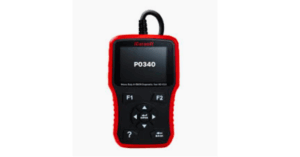
Start the diagnosis by connecting an OBD-II scanner to the vehicle to scan for the P0521 trouble code and any related codes. This initial scan helps identify whether other systems are involved or if the issue is isolated to the oil pressure behavior.
Step 2: Inspect Oil Levels and Condition
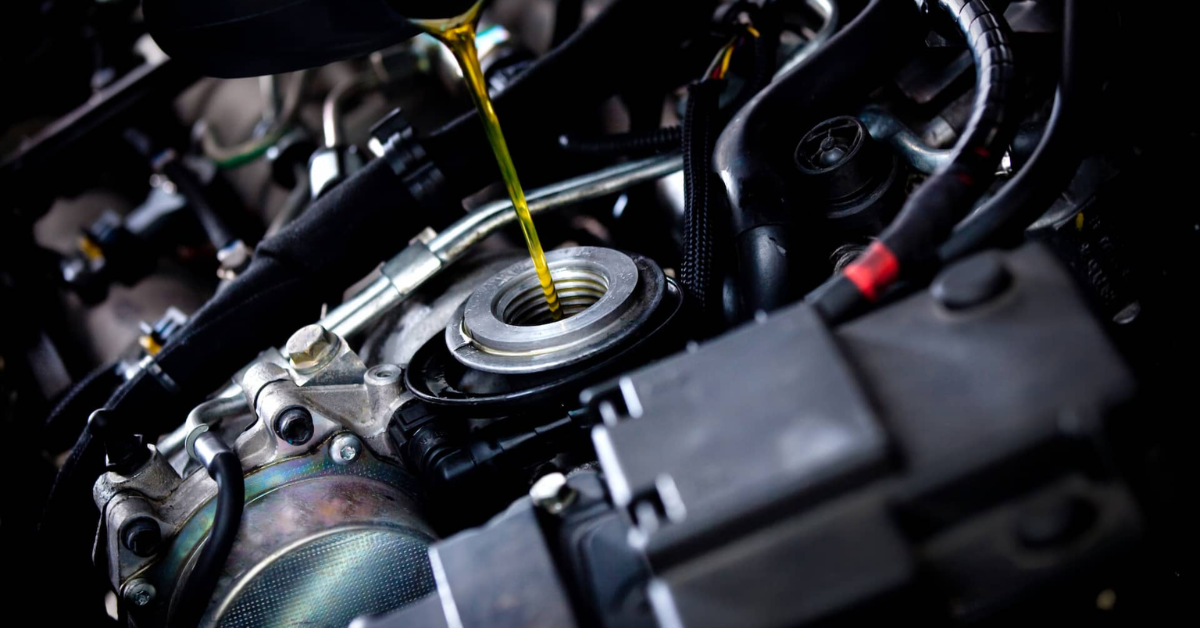
Next, inspect the oil level and its condition to ensure the engine has proper lubrication. Low or dirty oil levels can lead to faulty sensor readings or even mechanical problems that may trigger false alerts.
Step 3: Check the Oil Pressure Sensor and Wiring
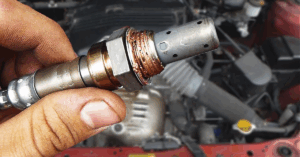
Examine the oil pressure sensor and inspect the sensor wiring for signs of damage, corrosion, or disconnections. Any faults in this area can result in inaccurate data being sent to the PCM, leading to the P0521 code.
Step 4: Test Actual Oil Pressure

Use a mechanical oil pressure gauge to test and verify the actual oil pressure in the system. This helps determine whether the issue lies with the sensor itself or with the engine’s oil flow and pressure conditions.
Step 5: Inspect the Oil Pump
Now, inspect the oil pump for wear, clogs, or performance issues. A failing oil pump may not deliver adequate pressure, and that shortfall can contribute to irregular pressure signals or engine protection responses.
Step 6: Check for Internal Engine Issues
Finally, look into possible internal engine issues such as wear, blockages, or restrictions in the oil passages. These problems can significantly affect pressure and may be hidden causes behind recurring oil-related trouble codes like P0521.
Should You Keep Driving with the P0521 Code?
If your car displays the P0521 code, it could be due to a minor sensor issue or a sign of a much more severe problem involving oil pressure. Continuing to drive without confirming the cause is risky. Low or insufficient oil pressure can quickly result in catastrophic engine damage. That’s why even a small delay in inspection can lead to bigger consequences.
If the oil pressure warning light is on or the engine starts making unusual noises, it’s crucial to stop driving immediately. These symptoms indicate a real-time threat to your engine’s health. You must address the issue right away to prevent failure. Acting early ensures both safety and lower repair costs.
How to Fix the P0521 Code

To fix the P0521 DTC, the first step is to accurately diagnose the issue—identify what triggered the trouble code in your vehicle by using available online auto repair resources or trusted guides that provide reliable factory repair information. Since this is a generic code, your repair strategy must be adjusted based on the make and model, as different systems may be affected.
Once the cause is established, begin by scrutinizing the oil levels in the engine, ensuring the right variety, proper amount, and no visible leaks or degraded quality. If nothing stands out, inspect the oil pressure sensor, its wiring, and connectors for damage or disconnections—everything should appear intact. Use a voltmeter to test if the sensor is working properly. If it isn’t, replacing it is often the most appropriate fix and resolves the issue in many repairs.
FAQs
1. What causes a P0521 code?
Incorrect or unstable oil pressure readings typically cause a P0521 code. Common reasons include a faulty oil pressure sensor, low oil levels, wiring problems, a defective oil pump, or internal engine wear that affects pressure flow.
2. Can I drive with a P0521 code?
No, you should not drive with a P0521 code. It may indicate insufficient oil pressure, which can lead to catastrophic engine damage. It’s safest to stop immediately and have the issue diagnosed and repaired.
3. How do I reset an oil pressure sensor?
To reset the oil pressure sensor, use an OBD-II scanner to clear the code after the root issue has been fixed. Disconnecting the battery might erase the light temporarily, but it won’t resolve the actual fault.
4. How do I know if my oil pump or oil pressure sensor is bad?
Use a mechanical oil pressure gauge to check the actual oil pressure. If pressure is fine but the sensor shows wrong readings, the sensor is likely bad. If both readings are low, the oil pump may be failing or worn.

Mian Hashir is a passionate automotive enthusiast and the lead author at Car Garagee, a website dedicated to providing in-depth car reviews, maintenance tips, and the latest news in the automotive world. With years of experience in the industry, Hashir combines his technical knowledge with a love for cars to deliver insightful and engaging content. Whether you’re a car owner or a curious reader, Mian Hashir’s articles help readers make informed decisions, from choosing the right vehicle to understanding how to keep it in top condition.