
The P0463 code trouble code points to a fuel level sensor circuit high input, which signals that the system is detecting abnormal voltage readings. This type of fault is often unfamiliar to drivers, but as a professional, I know it usually begins with checking the sensor and the circuit as the first basic steps. If left unresolved, these issues can affect accurate fuel level readings and cause unnecessary worry.
When addressing this code, the right approach is to apply proven diagnostic methods that identify the exact cause of the fault. Effective repair solutions involve confirming the source of the high input and carrying out the appropriate fix. By following a structured process, long-term reliability and accurate fuel monitoring can be restored.
What does the P0463 error code mean?
The P0463 error code is a diagnostic trouble code that stands for Fuel Level Sensor Circuit High Input. It is triggered when the engine control module detects an abnormally high voltage signal from the fuel tank sensor that monitors the fuel gauge. This fault is logged as a DTC (Diagnostic Trouble Code) whenever the system identifies incorrect readings.

The character P in the code shows it relates to the powertrain system, which includes the engine and transmission. The 0 identifies it as a generic OBD-II/OBD2 code, while the 4 links it to auxiliary emission controls. The final number 63 is the unique identifier, meaning the problem has been detected inside the system and the information is stored as a specific position within the DTC database.
Why it’s important to address the P0463 error code
The P0463 error code occurs due to a malfunctioning fuel level sensor, which creates inaccurate readings that leave the driver unaware of the actual fuel status. This symptom can increase the likelihood of running unexpectedly out of fuel, resulting in unsafe driving conditions or even an inoperable vehicle.
Ignoring this fault may also mask issues within the fuel system, such as pump problems, which could potentially worsen. As a result, the vehicle risks leaving the driver stranded and leading to more expensive repairs. Addressing the code early ensures safety and reliability.
In addition, a persistent P0463 code can interfere with routine diagnostics, making it harder to detect other potential problems in the vehicle. By resolving the fault promptly, you maintain the accuracy of the vehicle’s monitoring systems, reduce long-term repair costs, and improve overall driving confidence.
Can I safely drive my car with this error code?
The P0463 code is generally safe for driving since it does not directly affect engine performance. However, the inability to accurately monitor fuel level creates a risk of running out of fuel unexpectedly, which could lead to a dangerous situation.

This is especially risky in heavy traffic or remote areas, where being stranded can be unsafe. That’s why addressing the issue promptly is strongly recommended, even though it only poses an indirect concern for normal operation.
What Is a Fuel Level Sensor Circuit High Input?
A Fuel Level Sensor Circuit High Input occurs when the powertrain control system detects a voltage above the expected five-volt electrical system range. In most makes and models of vehicle, the sensor is attached directly to the fuel pump module, using a float, arm, and resistor to measure the current fuel level and send a signal to the control unit.
The sensor’s grounding is also essential, whether through a wire, the tank, or the frame, and it should always be checked with the service manual to identify how it’s grounded. A high input reading may result from a short, common causes like damaged wiring, or specific issues caused by faulty components, making it important to consider these factors during inspection.
Additionally, when this condition persists, it can lead to false fuel gauge readings that compromise the driver’s ability to plan refueling accurately. Over time, unresolved high input signals can also place extra strain on the electrical system, leading to broader diagnostic challenges and costly repairs if not corrected early.
Symptoms of Trouble Code P0463
The Symptoms of Trouble Code P0463 usually appear as clear warning signs in the electrical system. Drivers may notice the fuel gauge fluctuating or stuck at full or empty, which is one of the first and most obvious indicators. An illuminated check engine light or fuel warning light often follows, signaling that the high input from the fuel level sensor circuit needs attention. These early signs are important because they help detect the issue before it turns into unsafe or costly repairs.

If left unresolved, more serious problems can develop. You may experience difficulty predicting fuel consumption, which can cause you to run out of fuel unexpectedly in critical situations. In some cases, the vehicle suffers from loss of power, rough running, or jerking during acceleration, making driving conditions unstable. Addressing these symptoms quickly not only restores correct readings but also ensures safe and reliable performance on the road.
Detailed Points:
1.Fuel gauge fluctuating or stuck at full/empty, giving inaccurate readings.
2. Illuminated check engine light or fuel warning light triggered by the fault.
3. Difficulty predicting fuel consumption, creating the risk of running out unexpectedly.
4. Loss of power and rough running, which affects the overall driving experience.
5. Jerking during acceleration, signaling electrical instability linked to the sensor circuit.
Causes of Trouble Code P0463
The Causes of the P0463 DTC are mostly linked to faults in the fuel level sensor circuit and its connection with the powertrain control module. A frequent culprit is a short in the wiring, which disrupts the signal. That’s why the first step is to inspect the entire system for any sign of damage. Ignoring this can hide underlying problems that lead to repeated failures.
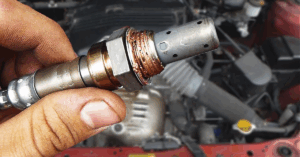
Other possible causes include a broken wire harness, corroded ground strap on the tank, or issues with the instrument cluster itself. These areas must be checked carefully since even small damages can trigger the fault. Addressing these failures early ensures that the system stays reliable and prevents recurring issues with the OBD2 trouble code P0463.
Key Points:
1.Short in wiring within the sensor circuit is the most common cause.
2. Faulty or damaged wire harness creating signal interruptions.
3. Corroded or broken ground strap on the fuel tank affecting readings.
4. Malfunctions in the instrument cluster or powertrain control module.
How To Diagnose and Clear the Code P0463?
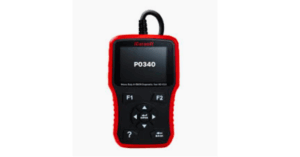
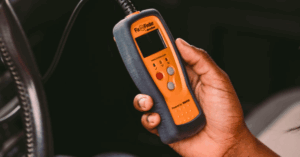
To diagnose and clear the P0463 code, start by performing diagnostics checks with a diagnostic scanner. This helps to identify the particular problem area that falls outside the normal range and locate where the fault is occurring. Detecting these errors early can reduce further damage to the vehicle.
In comparison to generic OBD devices, advanced tools provide more than just OBD-level engine-related data. They allow checks on ECUs such as ABS, airbag, and multimedia systems, offering deeper insights. This additional information helps in understanding the trouble severity more accurately.
Using a Smart Mechanic approach, you can access professional tips and guidance from expert mechanics. These insights give you a clearer view of the affected components and potential repair methods. It ensures that solutions are practical and effective.
Finally, clearing the P0463 code is not just about resetting the scanner but ensuring the fault is fixed. With proper diagnostics, you can prevent future issues and protect your vehicle from unnecessary breakdowns. This approach improves long-term reliability and reduces costly repairs in the future.
Common Mistakes when diagnosing the P0463 code
One of the most common mistakes when diagnosing the P0463 code is trying to fix individual OBD2 or OBD-II codes without proper context. This mistake often leads to wasted time and incomplete repairs. A holistic understanding of the vehicle’s systems is necessary for accurate results.
Another frequent issue is ignoring the interrelationship of systems, which is crucial for determining the root cause of the problem. Without this approach, technicians may overlook connections between components. Proper analysis ensures the right solution is found the first time.

How Serious Is the Code P0463?
The P0463 code is not considered highly serious, as it does not immediately affect engine operation. However, the issue can still create risks if the fuel level cannot be read correctly. That’s why monitoring it on a regular basis is essential.
If left unchecked, the condition can get worse later, leading to unexpected fuel shortages or related failures. It is always recommended to address the fault early. Doing so prevents long-term complications and ensures safer driving.
How to Fix the P0463 Code – Potential Solutions
Fixing the P0463 code starts with a clear diagnostic approach because the repair steps vary depending on the root cause, make, and model of the vehicle. The key is to inspect the fuel level sensor circuit and confirm whether the fault lies in the sensor, wiring, or control module. A structured process ensures accurate detection instead of replacing parts unnecessarily.
The most common solutions include checking the fuel tank, wiring harness, grounding strap, and connectors for corrosion, rust, or damage. Use a voltmeter to verify voltage, resistance, and ground circuit continuity, as high readings often point to wiring or grounding problems. If needed, replace the faulty sensor or the fuel pump assembly if the sensor is integrated. In rare cases, faults in the powertrain control module or instrument cluster may be the cause. Once repaired, clear the OBD-II error code P0463 with a scanner and confirm success through a proper test-drive.
FAQs
What causes a fuel level sensor to go bad?
Common causes include corrosion, damaged wiring, a faulty sensor, or problems with the fuel pump.
Where is the fuel level sensor located?
It’s typically located inside the fuel tank, mounted on or integrated with the fuel pump module.
Can you drive with a bad fuel level sensor?
You can, but the inaccurate fuel readings increase the risk of running out of fuel unexpectedly.
Can I still drive with a P0463 code?
Yes, the vehicle will run, but you may face sudden fuel shortages, so timely repair is recommended.

Mian Hashir is a passionate automotive enthusiast and the lead author at Car Garagee, a website dedicated to providing in-depth car reviews, maintenance tips, and the latest news in the automotive world. With years of experience in the industry, Hashir combines his technical knowledge with a love for cars to deliver insightful and engaging content. Whether you’re a car owner or a curious reader, Mian Hashir’s articles help readers make informed decisions, from choosing the right vehicle to understanding how to keep it in top condition.