
The P0455 trouble code is often linked to the evaporative emission control system, also known as the EVAP system, which is a helpful part of managing fuel emissions. A large leak in this system can signal a problem that many drivers wonder how to fix. To handle it well, it is important to learn more about the issue so steps can be taken to restore performance and remove the warning light, keeping the vehicle running smoothly.
What Is an EVAP System?
The vehicle’s EVAP system is designed to reduce emissions, prevent harmful fuel vapor leaks, and protect the environment by keeping vapors from the fuel tank from being released while at rest. A proper seal keeps vapors from escaping, and a sealed design moves them through channels and hoses into a charcoal filter canister. Once the engine starts, the purge valve and intake vacuum work together so vapors are siphoned into the engine and safely burned. When the code P0455 appears, a sensor has detected a large leak in the system, meaning a vacuum cannot be created. While not always required to run the engine, this protective setup protects air quality and must be repaired as soon as possible.
A diagnostic trouble code like P0440, P0441, P0442, P0444, or P0445 can also appear from the series of sensors that measure different areas for air leaks, and a major problem may affect multiple systems. To inspect properly, the causes and solutions of the error should be reviewed before you clear the issue, since another code may still be present. An OBD-II onboard computer can detect gasoline vapors escaping into the atmosphere, sometimes identifying a hole as small as 0.04 inch in diameter or larger.

Importance of P0455
The P0455 error code is important because it points to a large leak in the EVAP system, which is meant to control and capture fuel vapors before they escape. When this system fails, harmful gases like hydrocarbons enter the air, adding to pollution and affecting public health. For the driver, it also means the vehicle isn’t working at its best, with possible drops in fuel efficiency. Leaving the issue unchecked may not cause immediate breakdowns, but it slowly damages the system’s ability to protect both the car and the environment. A small, affordable repair now can save much larger costs later.
Beyond environmental concerns, addressing P0455 is also about safety and trust in your car’s reliability. The check engine light triggered by this code can mask other problems if ignored, making diagnostics harder in the future. Regular maintenance, like checking the fuel cap, hoses, and valves, keeps the system healthy and reduces unexpected failures. Fixing the problem also ensures the vehicle passes emissions tests, avoiding fines or restrictions in certain areas. In short, taking this code seriously not only keeps your car compliant but also reflects responsibility toward safe driving and cleaner air.
Common symptoms of a P0455 error code
- Check Engine Light Illuminated
The most noticeable symptom is the check engine light turning on. This happens because the EVAP system detects a leak, and the onboard computer saves the code. Even if the car runs normally, the light stays illuminated on the dashboard until the issue is fixed. - Fuel Odor or Smell of Vapors
When the fuel vapors escape from a loose cap or leak, a strong odor can be noticed. This is more obvious if the vehicle is stored in a garage or closed space. The smell comes from evaporating gasoline escaping into the air. - Slight Decrease in Fuel Economy
Over time, a slight decrease in fuel economy may occur. Because vapors are not properly contained and recycled, the system handles emissions less efficiently. Although minor, it still affects performance and increases fuel costs. - Difficulty Starting or Rough Idle

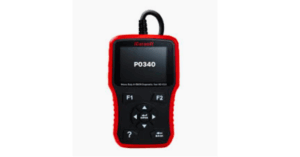
Images are for illustrative purpose only; credits Belongs to Dubizzle. In some cases, a rough idle or difficulty starting the engine can happen. This is less common, but when the system fails to maintain pressure, it impacts combustion stability. The result is uneven engine operation.
- Failed Emissions Test
A failed emissions test is another symptom of P0455. Escaping vapors create excessive hydrocarbon emissions, which testing equipment quickly detects. This not only signals a major leak but also highlights the environmental impact.

Causes of Error Code P0455 Explained
- Loose or Missing Fuel Cap
One of the most common causes of P0455 is a missing or loose gas cap. Without a tight seal, vapors escape from the fuel tank, creating a large leak in the EVAP system. Simply tightening or replacing the cap is often an easy fix solution that restores the system. - Cracks or Holes in Components
A slight hole or crack in any component, like the filler neck or charcoal canister, can trigger the error. These damages break the airtight seal that the system needs to function effectively, and leaks of this type usually require replacement parts. - Damaged or Worn EVAP Hoses
Over time, EVAP hoses can develop minor tears or rotten spots. These weak points allow vapors to leak into the air, and while they may seem small, they are enough to set off the code. Inspecting hoses closely is essential because even hairline cracks can be the culprit. - Faulty Vent or Purge Valve Solenoid
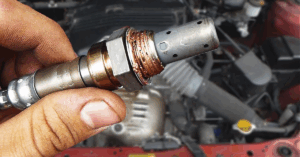
Images are for illustrative purpose only; credits Belongs to YouTube. The vent valve solenoid and purge valve solenoid are crucial for directing vapors in and out of the system. If either valve gets damaged or begins to wear out, the computer detects a failure to maintain vacuum pressure. Replacement is often needed when solenoids fail.
- Filter Canister Problems
The charcoal filter canister can sometimes be damaged by attempts to pressurize the system with air when looking for a leak. Once cracked, the canister loses its ability to trap vapors, making it a serious point of failure. Proper smoke testing, not air pressure, should be used for diagnostics. - General Wear and Aging Parts
Like any mechanical setup, parts of the EVAP system simply wear out over time. Rubber seals, valves, and connectors may lose their strength, leading to leaks. Routine inspection and timely replacement of aging parts help prevent recurring issues.

How to Diagnose P0455
Diagnosing a P0455 error code starts with using an OBD-II scanner, which confirms the presence of the code and helps identify if other related codes, like P0440 or P0442, are stored. A simple check of the fuel cap is the first step since a loose or cracked cap is often the problem. If the cap is fine, a visual inspection of the hoses, canister, and valves should follow to look for cracks, damage, or disconnected parts.
For more accuracy, mechanics often use a smoke test, where harmless smoke is pumped through the EVAP system to reveal hidden leaks. Finally, checking the purge valve solenoid and vent valve solenoid ensures the system can hold the vacuum pressure needed to operate correctly.
Repairing the P0455 error code
- Check the easiest solution first – Start by tightening or replacing the fuel cap to keep the seal tight and ensure fuel vapors stay contained.
- Replace damaged hoses – If the error code is not cleared and leaks return, inspect and replace any section of hose since material can be affected by severe weather or temperature.
- Test vent and purge valve solenoids – A failing vent valve solenoid or purge valve solenoid may trigger trouble codes. Proper procedure requires a scan tool or reader with the right capability.
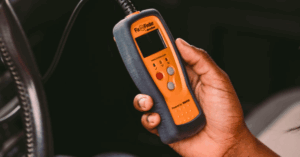
Images are for illustrative purposes only; credits belong to YouTube. - Repair or replace cracked components – If there are cracked components or a leaking canister, these need repairing, sealing, or replacing to restore the system.
- Get quality parts – Visit a local AutoZone Store for reliable parts needed to complete the fix.
- Seek professional help if needed – If the job feels too big, Preferred Shops can handle the repair and ensure it’s done correctly.
- Overall goal – Each step aims to restore the integrity of the EVAP system, prevent leaks, ensure it functions as designed, and help in reducing emissions while improving vehicle safety.

Prevention Tips for P0455
- Tighten the fuel cap properly – Always make sure it clicks into place; replace it if it’s cracked or worn.
Images are for illustrative purposes only; credits belong to YouTube. - Avoid overfilling the tank – Extra fuel can damage the EVAP canister and cause leaks.
- Inspect hoses and seals regularly – Look for cracks, loose fittings, or rotten spots, especially after severe weather.
- Check purge and vent valves – These parts can wear out over time and should be tested during maintenance.
- Schedule routine maintenance – A trusted shop can use diagnostic tools like smoke tests to catch small leaks early.

Final Thoughts on P0455
The P0455 error code may not stop a car from running, but ignoring it can lead to wasted fuel, failed emissions tests, and costly repairs down the road. Fixing the issue not only keeps the EVAP system working as designed but also protects the environment by cutting harmful vapors. With simple checks like tightening the fuel cap, inspecting hoses, or testing valves, most problems can be caught early. Taking P0455 seriously means saving money, driving with peace of mind, and ensuring your vehicle stays reliable for years to come.
FAQS
- How do you fix the code P0455?
Tighten or replace the fuel cap, check hoses for cracks, and test the purge or vent valve solenoids; replace faulty parts if needed. - What is the most common cause of a P0455 code?
A loose, damaged, or missing fuel cap is the most common cause. - Can P0455 cause a misfire?
No, P0455 doesn’t usually cause a misfire, but it can affect fuel economy and emissions. - Is it okay to drive with a P0455 code?
Yes, it’s generally safe to drive short-term, but ignoring it can waste fuel, fail emissions tests, and lead to costly repairs.

Mian Hashir is a passionate automotive enthusiast and the lead author at Car Garagee, a website dedicated to providing in-depth car reviews, maintenance tips, and the latest news in the automotive world. With years of experience in the industry, Hashir combines his technical knowledge with a love for cars to deliver insightful and engaging content. Whether you’re a car owner or a curious reader, Mian Hashir’s articles help readers make informed decisions, from choosing the right vehicle to understanding how to keep it in top condition.