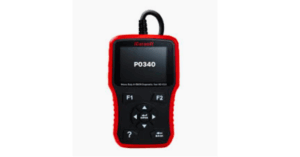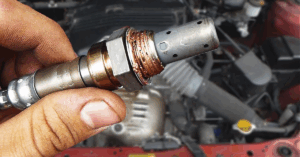
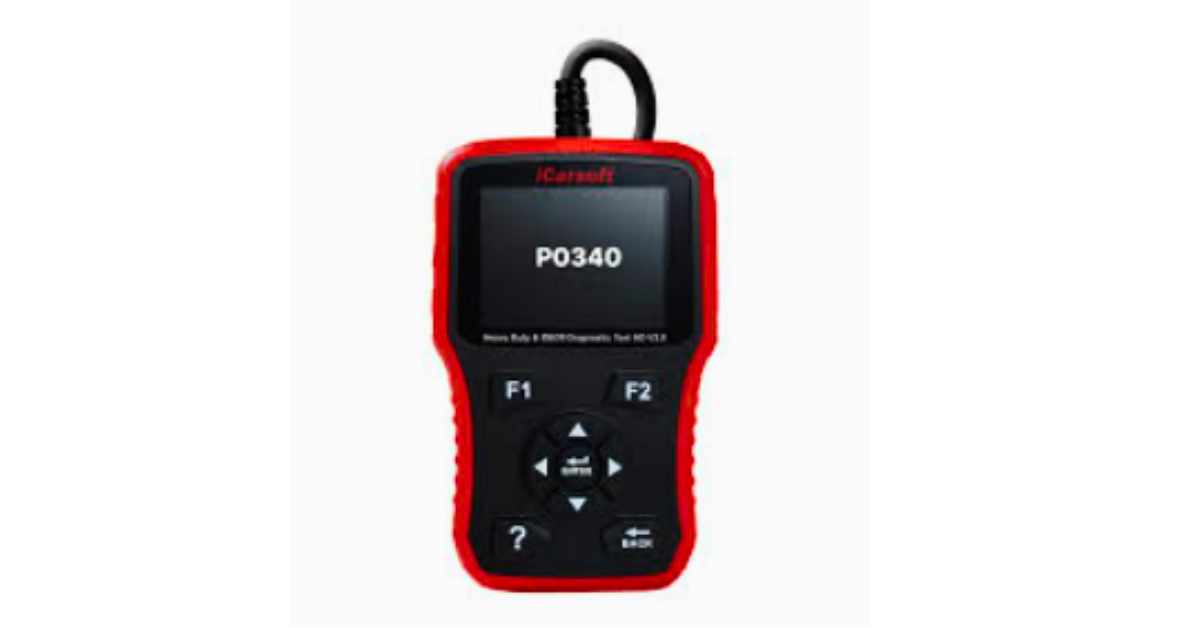
When my vehicle started acting up, I used a scanner and found code P0340, which pointed to a faulty camshaft position sensor in the electrical system. The engine felt off, and it was clear something wasn’t working right. I decided to dig into the issue myself before heading to a shop.
Upon inspection, I found damaged wiring and loose connectors, which disrupted the function of the sensor. These small faults created multiple trouble points that affected how the engine performed. The faulty signals were throwing off the engine’s timing and causing more problems.
After recognizing the symptoms and tracing the causes, I replaced a few connectors and repaired the wiring. With the right solutions in place, the sensor started working again. Thankfully, I was able to fix the issue quickly before it became a major repair.
What Does the P0340 Code Mean in My Experience
When my vehicle showed signs of jerking and loss of power, the P0340 error code came up during a check. It pointed to a camshaft position sensor circuit malfunction, affecting the engine’s ability to stay in sync and run smoothly. The faulty sensor wasn’t working with the crankshaft position sensor, causing serious ignition and fuel injection problems.
I found the root issue in the wiring, where an open circuit disrupted the signal between the sensor and the engine control module (ECM). The ECM depends on correct data like speed, position, and timing to manage all systems. Without it, replacing the cam or even the sensor alone won’t fix the real malfunction.
To accurately address the P0340 code, I performed a complete diagnostic of the circuit, checking the camshaft position sensor, related wiring, and the ECM connections. As a professional, I know that one faulty sensor or weak signal can disrupt engine timing, fuel injection, and ignition systems. Resolving this issue requires more than just replacing parts—it demands understanding how each electrical component functions within the vehicle’s control module network.

CarParts.
Why Addressing P0340 Matters Based on My Experience
Ignoring the P0340 error code in my car once led to poor engine performance and frequent misfires. The camshaft position sensor was malfunctioning, which caused serious fuel injection, ignition, and timing problems that ruined my fuel economy. Over time, it even damaged other engine components, turning a minor issue into costly repairs.
From a repair standpoint, I learned how vital this sensor is to maintaining proper engine function. If the camshaft data isn’t accurate, the whole system loses balance, and long-term damage becomes unavoidable. Fixing it early can save both time and money by preventing deeper mechanical failures.
What the Camshaft Position Sensor Does – From My Hands-On Insight
The camshaft position sensor in my engine tracks the camshaft’s spinning motion and sends precise position data to the engine control unit (ECU). This signal helps manage fuel injection, ignition, and timing, keeping performance smooth and preventing misfires. When it failed, the ECU logged P0340 and related codes like P0344, P0011, P0019, P0335, and P0339.
I realized that even a minor sensor issue could throw off the engine timing and trigger a chain reaction of faults. The code didn’t just alert me to the problem—it guided the diagnosis. Replacing the sensor fixed the issue and restored proper system function across all engine operations.
To make sure the repair was solid, I ran a full scan and took the vehicle on a test drive under normal and high-load conditions. The engine ran smoother, acceleration improved, and no codes reappeared. It proved that addressing the sensor promptly restored both performance and reliability.
How Serious Is the P0340 Code? Based on What I Faced
The P0340 code was more than just a minor issue for my engine—it led to serious performance drops and the risk of long-term damage. Once the camshaft position sensor failed, I began noticing strange behavior that clearly signaled something was wrong. It was clear the problem couldn’t wait.
I used a diagnostic scanner and a code reader to verify the fault before visiting a mechanic, which helped avoid unnecessary guesswork. That step alone saved both time and money. The scan revealed exactly where the fault was in the system.
Delaying the fix would’ve meant dealing with even more expensive repairs, especially if it affected ignition timing or fuel delivery. Problems like P0340 can silently disrupt core engine systems and escalate fast. Acting early kept the engine running reliably and safely.
Can You Still Drive with P0340? Here’s What I Experienced
I kept driving my car with the P0340 error code and quickly noticed poor acceleration, sudden jerks, and worsening engine performance. It even entered limp mode, a safety backup that limits power to prevent further damage. In heavy traffic, this became a risky move and not worth the risks.
The real issue was a failing camshaft position sensor, which led to high emissions, random stalling, and concern about costly repairs at the shop. Short drives might seem fine, but the longer you wait, the more severe the engine damage becomes. Replacing the sensor fixed everything.
Common Symptoms of P0340
- The check engine light turned on suddenly, followed by a rough idle and a shaky engine response.
- Experienced high fuel consumption, reduced gas mileage, and made my vehicle less efficient overall.
- Felt sudden jerks during acceleration and had trouble starting the engine, especially on cold starts.
- The car went into limp mode, limiting power to protect the engine but making driving unsafe.
- My OBD-II scanner confirmed the P0340 error code, pointing to a camshaft position sensor problem.
- Noticed misfiring, occasional stalling, and strange ignition issues, which worsened the drive quality.
- The real issue came from an ignition failure due to a broken signal from the sensor to the computer.
- Wiring checks revealed loose connections in the circuitry, disrupting the sensor’s sparking signals.
- The vehicle also struggled with gear shifting, as the faulty camshaft position sensor affected the transmission.
- After a complete system restart, the symptoms returned, confirming the engine needed sensor and wiring checks.
Common Causes of P0340 – Based on Real Repair Experience
1. Faulty Camshaft or Crankshaft Position Sensor
The P0340 error code often came up when either the camshaft position sensor or the crankshaft position sensor failed. These sensors play a direct role in managing engine timing and signal accuracy.
2. Wiring and Connector Issues
I discovered damaged wiring, frayed wires, or a corroded connector disrupting the circuit, which triggered the code repeatedly. Even minor electrical faults can create major system malfunctions.
3. Loose or Weak Electrical Connections
Loose connections caused intermittent signal drops, confusing the engine control unit and powertrain control module, leading to unstable performance and false readings.
4. Timing Chain, Belt, or Tensioner Wear
A stretched timing chain, broken belt, or worn tensioner affected timing alignment, which caused incorrect sensor input, contributing to the P0340 issue.
5. Damaged Reluctor Wheel
In one repair, a chipped reluctor wheel on the camshaft gave inaccurate signal readings, resulting in a persistent error code.
6. Control Module Failure
Both the control module and powertrain control module can fail to interpret signals from the sensor, especially if the circuit experiences electrical overloads.
7. Poor Ground or Circuit Malfunction
I found shorts and open grounds in the sensor circuit, which caused erratic communication and sensor failure—highlighting the importance of proper electrical routing.
8. Ignoring the Root Cause
Simply replacing the sensor didn’t solve the problem when deeper causes like wiring or component failure were involved. A lasting solution required a complete diagnosis.
9. Multiple Components Working Against Each Other
Sometimes, it wasn’t one part but a combination of faulty components, such as sensors and connectors, that caused the P0340 code to persist.
10. Systematic Diagnosis Needed
To solve the P0340 error code, I had to inspect each sensor, test every circuit, and verify module function to correct the root issue and restore proper engine behavior.
Diagnosing P0340 – Step-by-Step from My Professional Workflow
1. Scan the Vehicle for Error Codes
As a mechanic, I first connected an OBD-II scanner to read the P0340 error code and check for any other related codes. This helped narrow down the exact source of the trouble within the camshaft position sensor system.
2. Inspect Sensor and Wiring for Damage
I examined the camshaft position sensor, wiring, and connectors for visible wear, damage, or corrosion. Even a slight break or crack in the sensor wiring can trigger this code.
3. Test Signal Output and Voltage
Using a multimeter and sometimes an oscilloscope, I checked the voltage, resistance, and signal output from the sensor to the ECM. Weak or missing signals often confirm sensor or wiring failure.
4. Examine Timing Components
Next, I inspected the timing chain, belt, and related components to ensure proper alignment and rule out any wear that could affect signal timing accuracy.
5. Confirm with ECM Response
Finally, I verified that the ECM was receiving and correctly processing data from the camshaft position sensor. Without this confirmation, a faulty ECM could go unnoticed.
How I Troubleshoot P0340 – My Proven Diagnostic Process
When I had to troubleshoot the P0340 error code in my car, I began with a full scan using a diagnostic tool to confirm the fault code. This initial scan also showed related codes that pointed to deeper engine issues.

CarParts.
I watched my car’s behavior during a test drive, especially signs of timing shifts or misfiring, which helped isolate the problem. After a thorough investigation, I found the culprit was tied to exhaust camshaft misalignment, causing valves to open off-cycle.
Potential Solutions I Used to Fix P0340 Effectively
After detecting the P0340 error code, I looked beyond surface symptoms and focused on possible causes like a faulty camshaft position sensor, poor wiring, or misaligned timing components. I found the sensor positioned near the cylinder head, tucked in the lifter valley, close to the engine block, and checked for corrosion, damage, or loose connectors. A broken wire casing or short in the circuit can easily interrupt signals, leading to misfires and performance loss.
To dig deeper, I used a multimeter to measure voltage across the circuit and confirmed that weak connections were causing the ECM readings to be inaccurate. I also verified the condition of the crankshaft position sensor and reviewed the timing chain, belt, and related parts for alignment issues. Cleaning or replacing faulty connectors, rewiring the sensor, and securing solid wire paths improved the engine’s ability to handle ignition, fuel injection, and overall acceleration. After a successful test drive, the system was fully restored, and the computer cleared the code for good.
FAQs
How do I fix error code P0340?
Inspect and replace the camshaft position sensor if faulty. Check wiring and connectors for damage or corrosion. Test the circuit with a multimeter. Confirm the ECM is receiving proper signals.
Is P0340 bank one or bank 2?
P0340 refers to Bank 1, which is the side of the engine with cylinder 1.
How to reset the camshaft position sensor?
After replacing or repairing the sensor, clear the code using an OBD-II scanner and perform a test drive to let the ECM relearn sensor values.
What are the seven symptoms of a bad camshaft position sensor?
- Check engine light
- Engine misfires
- Rough idle
- Poor acceleration
- Hard starting
- Stalling
- Reduced fuel efficiency

Mian Hashir is a passionate automotive enthusiast and the lead author at Car Garagee, a website dedicated to providing in-depth car reviews, maintenance tips, and the latest news in the automotive world. With years of experience in the industry, Hashir combines his technical knowledge with a love for cars to deliver insightful and engaging content. Whether you’re a car owner or a curious reader, Mian Hashir’s articles help readers make informed decisions, from choosing the right vehicle to understanding how to keep it in top condition.