What does P0335 mean?
I still remember the first time my car stalled at a signal — the engine was on, but something felt off. Later, I learned it was the P0335 error code, and the culprit was the crankshaft position sensor. This small yet critical component helps the engine run smoothly by working with the camshaft sensors to ensure precise timing.
When this sensor malfunctions, the power of your vehicle can feel reduced, with jerky performance or sudden stalling. It’s because the control module can’t detect the right signal from the crank — this triggers the code and messes up fuel injection and timing. Don’t rush to replace the sensor; often it’s damaged wiring, a broken circuit, or loose connections that waste your time and money.
Later I realized the module also monitors rotational speed and the positioning of the crankshaft, which is essential for the operation of the engine. This pivotal device converts linear energy into rotational power, aligning the pistons correctly in all OBD-II-equipped vehicles. The powertrain control module depends on this relay of information to help owners get alerted and fix the trouble tied to P0335.
Why Addressing P0335 Is Essential for Engine Health
From a professional standpoint, the P0335 code should never be overlooked—it’s a critical indicator that the crankshaft position sensor is not relaying accurate data to the engine control module. This disrupts timing synchronization, affecting how the system manages ignition, fuel injection, and combustion, often leading to misfires, stalling, and degraded performance. Left unresolved, it can cause long-term issues requiring extensive repairs.

CarParts.com.
The crankshaft sensor plays a vital role in every OBD-II equipped vehicle, constantly monitoring the positioning, location, and voltage with the help of a reluctor ring and electrical relays. If the transference of signals is interrupted, the entire area associated with engine rotation is compromised. Understanding this technology and acting promptly when an error message appears is key to preserving engine efficiency and safety.
Understanding the Role of the Crankshaft Position Sensor
The crankshaft position sensor is a precision device that monitors the spinning motion and position of the engine in real-time. It delivers this crucial information to the powertrain control module (PCM), which uses it to calculate speed and coordinate other functions.
This data allows the control module to optimize fuel injection and ignition timing with extreme accuracy, ensuring the engine runs smoothly and efficiently. Without the sensor, the engine would struggle to maintain timing, leading to performance issues.
How Serious Is the P0335 Code?
The P0335 code is extremely critical because it signals a failure in the crankshaft position sensor, which is vital for maintaining engine timing and synchronization. Without accurate data, the control module cannot properly regulate ignition, fuel injection, or combustion, resulting in misfires, stalling, and major performance problems. If left unaddressed, it can escalate into severe engine damage that requires costly repairs.
Can I Still Drive with P0335?
Technically, a vehicle may still drive with the P0335 code, but doing so is highly discouraged. A malfunctioning crankshaft sensor can cause rough idling, sluggish acceleration, and unexpected jerks, making the car unpredictable and even dangerous on highways or in dense traffic. In many cases, the engine enters limp mode—a safety feature that reduces performance to prevent further damage, but continued driving risks stall, failed start, poor fuel economy, and eventual breakdown if not diagnosed and repaired at a qualified shop.
Detailed Symptoms of P0335
Here is a more detailed breakdown of the P0335 error code symptoms, which can help both professionals and drivers recognize the issue before it causes serious damage:
Check engine light or MIL illuminated: The malfunction indicator lamp usually turns on after several failed signal readings from the crankshaft position sensor, signaling a problem with timing or spark detection.
Hard starting or failure to start: When the sensor fails to send accurate data about the crank position, the engine control module can’t trigger proper ignition, causing extended cranking or complete failure to start.
Rough, uneven, or unstable idle: Incorrect or delayed signals to the control module disturb engine timing, leading to noticeable vibrations or fluctuating RPMs at idle.
Misfire detection: The sensor helps track crankshaft movement to detect misfires. A faulty sensor means misfires might increase without clear warning, reducing engine performance.
Engine jerking or hesitation: When ignition and fuel injection aren’t synchronized due to sensor malfunction, you’ll often feel sharp engine jerks or hesitation during acceleration.
Stalling while driving or idling: The engine may abruptly stall at stoplights or during slow driving, especially when the sensor intermittently fails.
Increased fuel consumption: Since fuel injection relies on precise timing, the engine may run too rich or too lean, reducing fuel efficiency significantly.

eEuroparts.
Limp mode activation: Many modern OBD-II vehicles enter a limp mode when this code appears, reducing acceleration and engine power to protect critical components.
Delayed or reduced acceleration: A sluggish throttle response occurs due to poor sensor data, making the vehicle feel unresponsive under load or when merging in traffic.
Multiple starting attempts needed: Without a solid crankshaft signal, the engine may not recognize the correct position for firing, requiring multiple ignition attempts.
Repeated P0335 error code: Even after clearing the code, the error often comes back unless the underlying crank sensor issue or wiring damage is resolved.
Warning lights appear inconsistently: If the signal intermittently fails, the error code may not immediately display, leading to misleading or inconsistent symptoms.
These detailed points emphasize how critical the crankshaft position sensor is for consistent engine performance, timing, and overall vehicle reliability. Addressing these early signs prevents deeper issues and saves on future repairs.
Common Causes of P0335
The P0335 error code is typically related to faults in the crankshaft position sensor system, and there are several potential sources behind it. Based on extensive diagnostic experience, here’s a breakdown of the most frequent and technical causes you should consider during the inspection.
Key Causes (with Detailed Points):
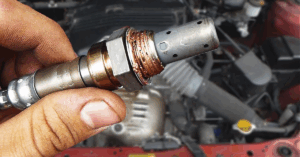
Worn-out or failed crankshaft position sensor: The most direct cause—over time, the sensor may degrade due to heat and vibration, leading to poor or no signal output.
Frayed, damaged, or loose wiring: Electrical connections or wiring going to the sensor may become frayed, damaged, or loose, breaking the circuit and disrupting ignition control.
Broken reluctor ring or damaged teeth: The reluctor ring, which helps detect crank movement, may have broken teeth or a sheared-off keyway, preventing accurate signal transmission to the control module.
Faulty timing belt or chain: A broken or misaligned timing belt can shift the crank’s position, affecting sensor reading and leading to engine misfires or failed starts.
Issues with powertrain or engine control module: Occasionally, the root cause is not the sensor itself but a failed control module that cannot process the signal correctly.
Other sensor output or electrical component issues: A related sensor or computer component may be failing, causing ignition and timing errors, especially if multiple codes are present.
Check engine light triggered: The car may show a check engine light when these faults are detected, though some may only be caught with a scanner.
Intermittent signal loss: Wiring corrosion or connector problems often cause temporary signal drops, which can confuse diagnostics.
Electrical noise or interference: Unshielded wiring or poor grounding can cause inaccurate sensor data and output issues, leading to false triggering of the error code.
In practice, these causes can range from simple sensor replacement to complex electrical diagnostics, especially in modern engines with sensitive computer components. Always confirm with proper testing equipment before replacing parts to avoid unnecessary repairs.
How to Properly Diagnose the P0335 Code
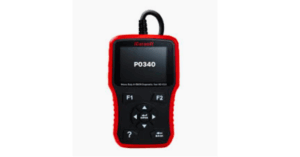
Diagnosing the P0335 error code begins with connecting a professional OBD-II scanner to the vehicle’s diagnostic port. A trained mechanic will check not only for P0335, but also for any related codes that might point to issues with the crankshaft position sensor, wiring, or other subsystems. These additional codes help narrow down whether the issue is isolated or part of a broader engine control module (ECM) failure.
Once the code is retrieved, the crankshaft position sensor and its wiring should be visually inspected for damage, loose connections, or corrosion. If no physical problems are visible, sensor testing comes next. A multimeter is used to measure the sensor’s resistance and signal output while the engine is cranking, ensuring the values match factory specifications. Any reading outside the acceptable range may indicate a faulty sensor or interruption in the circuit.
If the sensor passes these tests, further diagnosis focuses on the ECM and associated electrical issues. The mechanic may test the voltage supply, signal integrity, and grounding circuits leading to the module. It’s also critical to inspect the timing belt or chain for wear or misalignment, as mechanical problems here can prevent the sensor from sending accurate readings. A thorough step-by-step approach is essential to avoid replacing good parts and to ensure that the actual malfunction is identified and resolved effectively.
How to Troubleshoot P0335 Effectively
To troubleshoot the P0335 error code, start by using an OBD-II scanner to clear the codes from the system’s memory, then test drive the car. If the code returns immediately, it signals an active fault that needs urgent attention. If not, monitor how the engine behaves during the drive and scan again afterward—this helps confirm whether it’s a persistent problem or an intermittent issue that needs deeper fixing.
Next, inspect the crankshaft position sensor and its wiring located near the lower engine block. Look for any damaged connectors, corroded terminals, or breaks in the electrical circuit. A multimeter should be used to test voltage, power flow, and resistance, ensuring the sensor is functioning within specification. Reconnecting a loose connector or replacing a faulty sensor or wiring can often resolve the trouble without major work.
Also, don’t overlook related components like camshaft sensors, which work as a team with the crankshaft sensor. If issues persist, check the timing belts or chains for wear, positioning, or slack—they may need to be adjusted or replaced. Once all repairs are done, clear the code, restart the engine and take another test drive to confirm that the problem is fixed and that the car now runs smoothly.
Possible Solutions for P0335 Code
To resolve the P0335 error code, begin by using a proper scan tool or OBD-II scanner to check if an RPM signal is present while the car is running. If there’s no reading, it likely points to a faulty crankshaft position sensor, which should be closely inspected for damage. Minor issues like broken connections or degraded wiring can often be fixed with basic repairs before replacing the sensor.
If the sensor appears intact but the signal is still absent, it’s best to consult a trained mechanic who can use a diagnostic scope to test the electrical components and modules more accurately. The crankshaft remains a critical component of the engine, and errors in this area affect many other systems. Always check the surrounding parts, and if the job feels too complex, seek help from a professional technician to avoid further complications.
Cost to Fix P0335 Error Code
The cost to fix the P0335 error code can vary depending on the exact component causing the issue. If it’s just a faulty crankshaft position sensor, repairs may range between $100 to $250, including both parts and labor. However, if the problem involves damaged wiring, electrical connections, or deeper engine module faults, the price can climb to $400 or more—especially when advanced diagnostic tools or additional repairs are needed to fully resolve the issue.
FAQs
- What is code P0335?
P0335 is an OBD-II fault code that indicates a problem with the crankshaft position sensor or its associated circuit. - What does fault code P0335 mean for the crankshaft sensor?
It means that the ECU is not receiving a proper signal from the crankshaft position sensor, which leads to ignition and engine performance issues. - Can I get the P0335 code on a BMW X3?
Yes, the BMW X3 or other models can receive the P0335 code if there is a fault in the crankshaft sensor or wiring. - What does fault code P0335 mean on an Opel?
On an Opel, fault code P0335 means there is a signal error from the crankshaft position sensor, which can lead to starting problems, misfiring, or engine stalling.

Mian Hashir is a passionate automotive enthusiast and the lead author at Car Garagee, a website dedicated to providing in-depth car reviews, maintenance tips, and the latest news in the automotive world. With years of experience in the industry, Hashir combines his technical knowledge with a love for cars to deliver insightful and engaging content. Whether you’re a car owner or a curious reader, Mian Hashir’s articles help readers make informed decisions, from choosing the right vehicle to understanding how to keep it in top condition.