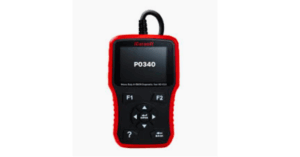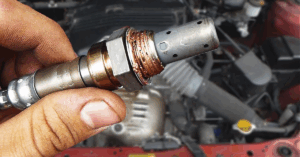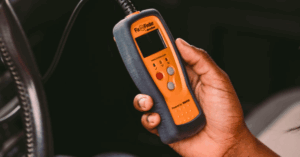

When my OBD-II scanner first reads the trouble code P0141, I knew it was time to diagnose the cause before it got worse. This error is a generic code that applies to most vehicles, and it usually indicates a malfunction in the oxygen sensor heater circuit on Bank 1 Sensor 2, which sits downstream of the catalytic converter. If you are unsure where to start, always consult the service manual of your specific make and model to learn about related components.
From my own experience, this sensor helps the system reach operating temperature quickly so it can deliver accurate data for fuel and emissions control. When the sensor isn’t functioning properly, the check engine light comes on and efficiency drops. The right solution is to fix or replace the faulty part, but if you feel stuck, getting professional advice will save time and money.
As an automotive professional, I can confirm that a P0141 fault is most often traced to a failed oxygen sensor heater circuit or wiring issue in Bank 1 Sensor 2. This unit is critical because it helps the exhaust system deliver accurate data on fuel mixture and emissions control once the sensor reaches operating temperature quickly. Proper diagnose requires checking the components, verifying continuity in the circuit, and using the service manual of the specific vehicle make and model before recommending the correct solution.
Technical Definition
The O2 sensor heater circuit Bank 1 Sensor 2 malfunction means the rear sensor on bank 1 sensor 2 has a heater circuit malfunction. This component is designed to bring the sensor up to operating temperature quickly so it can provide the engine control system with accurate readings. When the heater is not working, the sensor takes longer to respond and causes diagnostic trouble.

Importance of Addressing P0141
The P0141 code is important because a malfunctioning oxygen sensor heater can affect fuel efficiency and emissions output. When the heater isn’t working, the sensor takes longer to warm and cannot provide accurate level readings to the engine control module. This leads to improper fuel-air mixture adjustments, reduced performance, poor economy, and increased emissions that can harm both the vehicle and the environment.
What Does P0141 Mean?
The P0141 diagnostic code highlights a problem with the heater circuit in the downstream oxygen (O2) sensor located on bank 1. This part is essential because it must reach operating temperature quickly to provide the engine control module (ECM) with reliable input during its self-check.
When the sensor fails to heat properly, it cannot deliver accurate emissions readings right after you start the car. The ECM detects this malfunction and immediately triggers the code, letting you know there’s an issue with how the exhaust system is being monitored.
A faulty heater not only slows response time but also impacts fuel mixture adjustments and overall efficiency. By addressing the P0141 code quickly, you can avoid higher emissions, protect the catalytic converter, and keep your vehicle’s performance stable.
What Is Bank 1?
In engines with V-shaped, W-shaped, or flat configurations, the cylinders are divided into two banks within the exhaust system. Bank 1 is the engine side that contains the first cylinder, and its exact location depends on the design and manufacturer.
For most setups, Bank 1 is usually closest to the front of the vehicle or aligned with the drive belt, but always tied to that first cylinder position. This is important when diagnosing oxygen sensor or exhaust issues because repairs differ depending on which bank is affected.
On a four-cylinder or inline-6 engine, there is only one bank since all cylinders are in a straight line. In these cases, Bank 1 simply covers the entire inline row of cylinders, making identification much simpler.
What Is an O2 Sensor Heater?
When the code P0141 is triggered, it usually means the oxygen sensor heater in bank one is not helping the sensor respond to temperature fast enough for normal operation. The O2 heater is designed to warm the sensor quickly so it can send an accurate reading to the engine control module.

This function prevents open loop conditions from lasting longer than the specified time, allowing the ECM to adjust fuel mixture for cleaner performance. If the heater is faulty, the module may alert a trouble code and fuel control will suffer.
Often the issue comes from damaged wiring or a failed heater element, and the error may appear alongside similar codes like P0135 or P0420. It’s important to inspect the relevant system fully to confirm the fault and avoid misdiagnosis.
What Does an Oxygen Sensor Do?
Oxygen sensors are devices that measure levels of exhaust gases and send this data to the ECM or powertrain control module (PCM). The upstream O2 sensor 1 is located before the catalytic converter and helps the system fine-tune the engine air-fuel mixture for smooth performance.
The downstream sensor 2, placed after the catalytic converter, monitors efficiency by reducing emissions and confirming that the converter is working properly. Together, these sensors ensure accurate adjustments and keep the vehicle within environmental standards.
Why Do Oxygen Sensors Need a Heater?
Oxygen (O2) sensors are vital components that monitor the amount of oxygen in the exhaust gases and send this data to the engine control module (ECM). For the sensor to work properly, it must reach very high temperatures of about 316°C (600°F). At this heat level, the sensor produces accurate voltage signals that reflect the oxygen content in the exhaust, which the ECM uses to fine-tune the air-fuel mixture. Without reaching this temperature, the sensor provides unreliable readings, and the system cannot make the right adjustments.
In older single-wire sensor designs, the sensor relied solely on the natural exhaust heat to reach operating temperature. This meant the sensor would often take a longer time to warm up, especially in cold starts or short trips, leading to a delay in efficiency. During this period, the engine ran in open-loop mode, burning more fuel and producing higher emissions until the sensor was hot enough to provide useful data.
To solve this problem, modern heated oxygen sensors come with a built-in heater element. This heater warms the sensor rapidly and allows it to reach operating temperature almost immediately after you start the engine. By doing this, the sensor can send accurate readings right away, allowing the ECM to adjust the fuel mixture and reduce emissions more effectively. This improvement not only enhances fuel economy but also helps vehicles meet stricter environmental standards while protecting sensitive parts like the catalytic converter from damage due to unburned fuel.
How Serious Is P0141?
The P0141 error code usually doesn’t cause immediate drivability issues, and the car can still run without major problems. The ECM mainly uses this sensor to monitor catalytic converter efficiency rather than core engine control.
However, the problem with the sensor warming can, in the short term, lead to increased emissions and long-term damage if ignored. While you might drive for weeks or even months, leaving it unchecked can create a bigger line of costly repairs down the road.
Can I Still Drive with P0141?
Yes, you can still drive with a P0141 code since there is no immediate risk of severe engine damage. The car will keep staying on the road, but you may notice a slight drop in fuel economy and higher emissions, which can be annoying over time.

If the issue is left prolonged, it can cause poor performance, elevated pollution, or even a failed test during inspections. That’s why it’s best to address the fault quickly to maintain efficiency and meet environmental standards.
Common Symptoms of P0141
When the P0141 code is active, one of the most noticeable symptoms is the Check Engine Light that stays illuminated on the dashboard. This warning light appears because the engine control module (ECM) has detected that the oxygen sensor heater circuit in Bank 1 Sensor 2 is not functioning correctly. The light won’t go away until the problem is diagnosed and repaired, which makes it one of the earliest alerts that something is wrong.
Another clear sign is decreased fuel efficiency, as the sensor takes longer to reach its normal operating temperature and fails to deliver the accurate readings needed to adjust the fuel-air mixture. This can make the engine run richer than normal, consuming more fuel. In some rare cases, the imbalance may even cause light misfires, which can be felt as a slight hesitation or roughness while driving.
You might also face a failed emissions test, since the system cannot regulate emissions output correctly when the heater circuit isn’t working. Because the sensor warms up more slowly, it causes the vehicle to stay in open-loop mode longer, delaying proper mixture adjustments. This not only raises pollution levels but also impacts engine performance and can harm the catalytic converter over time if ignored.
Key Points:
-
Check Engine Light illuminated
-
Decreased fuel efficiency
-
Rare light misfires due to poor adjustments
-
Failed emissions test
-
Sensor takes longer to reach normal operating temperature
Symptoms of a Sensor Circuit Malfunction
When the oxygen sensor heater circuit is not working properly, it can cause an excessive current draw or fail to activate at all. The vehicle will usually illuminate the Check Engine light, storing a trouble code like P0141, and in some rare cases it may even cause damage to the control module.
You may also notice reduced fuel economy, changes in driving performance, or the system running excessively rich because the engine stays in open loop longer. This can create rough operation, unstable idle, or delayed response. These additional symptoms serve as an alert that the system issue needs to be checked.
To keep the car running smoothly, it’s important to determine the cause quickly and apply a workable solution. Ignoring the fault may worsen efficiency and performance over time, so proper diagnosis and repair of the sensor circuit malfunction is essential.
Common Causes of P0141
The P0141 trouble code is often triggered by a faulty oxygen sensor or problems in the vehicle system that affect the O2 heater. Common reasons include damaged or loose wiring connections, a short or open circuit, or corrosion at the electrical connector. In some cases, an excessive current draw or a blown fuse can also cause the error.
Other issues may come from a worn wire harness, broken connectors, or frayed wires that interrupt proper function. While a clogged catalytic converter isn’t directly linked to P0141 it’s more of a P0420 code it can still be useful to test related components to rule outside effects.

A thorough visual inspection is the first step, followed by using a voltmeter to check continuity, voltage, and resistance. By carefully inspecting these components, you can determine the exact issue and ensure the system is repaired correctly.
Short Points:
- Faulty oxygen sensor
- Damaged or loose wiring connections
- Short or open circuit
- Corrosion at electrical connector
- Excessive current draw
- Blown fuse
- Frayed wire harness or connectors
- Clogged catalytic converter (related to P0420, not P0141)
- Poor resistance or voltage readings during testing
Diagnosing P0141
When diagnosing P0141, a technician follows a structured set of steps to confirm the error code and pinpoint the fault. Using an OBD-II scanner, the first task is to confirm P0141 and check additional codes that may be linked to the system.
Next comes a visual inspection of the downstream oxygen sensor, its wiring, and connectors for signs of damage, corrosion, or disconnection. If no issues are obvious, the heater circuit is tested with a multimeter to measure resistance against factory specifications.
Voltage supply is then checked to verify the engine control module (ECM) is delivering power properly. In rare cases, the ECM itself may need to be evaluated for output ability, but this is usually the final step after other causes are ruled out.
5 Key Points for Diagnosing P0141:
- Use an OBD-II scanner to confirm P0141 and check additional codes.
- Perform a visual inspection of the downstream oxygen sensor wiring and connectors.
- Look for damage, corrosion, or disconnection in the circuit.
- Test the heater circuit resistance with a multimeter against specifications.
- Verify ECM power output, and in rare cases, assess the module’s condition.
How to Troubleshoot P0141
Clear the Codes and Test Drive
To diagnose and fix P0141 code accurately, the first step is to clear the codes and take the car for a test drive. If the fault reappears, the issue is ongoing and cannot be skipped. This troubleshooting step helps confirm whether the problem was temporary or linked to deeper potential causes.
Allow at least 15 minutes for the engine to warm and carefully observe behavior. If the scanner shows the code returns, you’ll need to investigate further to successfully resolve it.
Examine the Oxygen Sensor Circuit
Next, use a digital multimeter and locate the downstream oxygen sensor on bank 1 sensor 2, usually along the exhaust pipe after the catalytic converter. If you are unsure of the location, always check the service manual.
Inspect wiring and connections for signs of being damaged, frayed, or disconnected. Look for a corroded connector, loose pins, or a blown fuse in the O2 heater circuits. If needed, follow the owner’s manual for guidance.
Finally, test the heater element by disconnecting the sensor and measuring resistance across its terminals. Normal wires should show a color-coded range of about 5–20 ohms. Any reading outside this range confirms the heater is faulty and the sensor must be replaced.
Solutions

The most common solution for the error code P0141 is to replace the oxygen sensor on bank one when the heater has a short or internal damage. A complete replacement ensures the vehicle can start and return to operating effectively again. Sometimes the issue comes from the system having a loose connection, frayed wire harness, or faulty length of wiring. In such cases, the repair may involve inspecting connectors, fixing a tear, or sealing points where moisture can enter.
Using an OBD-II scanner, clear the problem code once repairs are made, and confirm that the engine control module recognizes the relevant components are restored. Proper repairing typically involves replacing faulty or corroded fuses, addressing blown circuits, and ensuring all connections are secured. After the system is cleared, perform a test drive to confirm successful results and restored fuel economy.
Replace Oxygen Sensor
If the code remains, the best option is to replace the sensor completely. First, disconnect the battery, locate the oxygen sensor, and unplug the electrical connector. Then, remove the old sensor using a wrench to loosen and unscrew it. If it’s stuck, apply penetrating oil and wait a few minutes.
Next, install the new sensor, making sure to thread it by hand first to avoid cross-threading. Once in place, tighten it carefully but don’t overtighten. Reconnect the wiring and plug it securely to ensure a proper fit. Finally, clear the code, restart the car, and use an OBD-II scanner to reset the check engine light. Afterward, run a test drive and scan again to confirm the issue is resolved.
FAQs:
- What does code P0141 mean?
It means the oxygen sensor heater circuit in bank 1 sensor 2 (downstream) has a malfunction, preventing it from heating quickly. - How to fix oxygen sensor heater failure?
Usually by replacing the faulty oxygen sensor, or repairing wiring, connectors, or fuses linked to the heater circuit. - Is P0141 upstream or downstream?
Downstream, located after the catalytic converter on bank 1. - What are the symptoms of oxygen sensor heater circuit bank 1 sensor 2?
Check engine light, decreased fuel efficiency, possible misfires (rare), failed emissions test, and sensor taking longer to reach operating temperature.

Mian Hashir is a passionate automotive enthusiast and the lead author at Car Garagee, a website dedicated to providing in-depth car reviews, maintenance tips, and the latest news in the automotive world. With years of experience in the industry, Hashir combines his technical knowledge with a love for cars to deliver insightful and engaging content. Whether you’re a car owner or a curious reader, Mian Hashir’s articles help readers make informed decisions, from choosing the right vehicle to understanding how to keep it in top condition.