P0138 is a diagnostic trouble code that frequently appears during an OBD-II scan, indicating a high voltage condition in the O2 sensor circuit, specifically at Bank 1, Sensor 2. This sensor, located downstream of the catalytic converter, plays a key role within the electronic systems of modern vehicles, monitoring oxygen levels in the exhaust to support accurate emissions control and optimize engine performance.
A consistently high signal from the sensor may point to a faulty sensor, a short circuit, or other electrical issues. Misreadings can disrupt air-fuel ratio control and lead to broader driveability problems such as poor fuel efficiency or rough operation. Accurate interpretation of the code description, along with signal validation through a scan tool or oscilloscope, is essential to determine the root cause. Once the condition is identified, there are multiple potential fixes, including sensor replacement, harness inspection, or addressing PCM-related faults. Proper diagnosis ensures reliable resolution and prevents further performance degradation or emission system failure.
What the P0138 Code Means
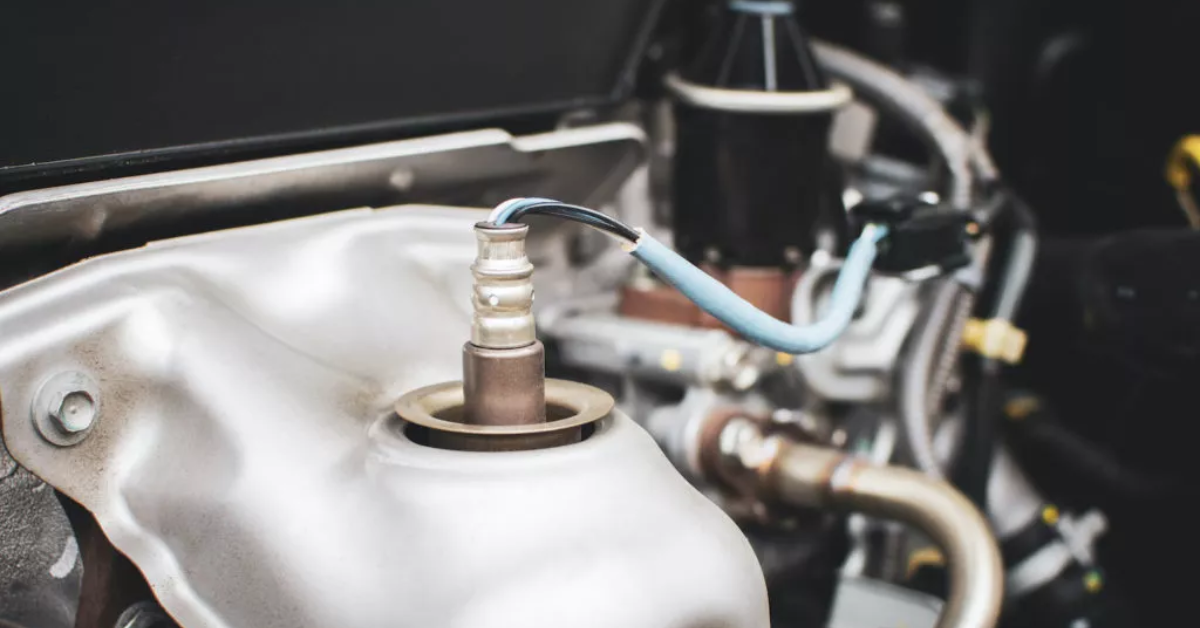
The P0138 code is commonly encountered during diagnostics when the powertrain control module (PCM) detects a high voltage signal from the rear O2 sensor, specifically sensor 2 on Bank 1, located downstream of the catalytic converter. This secondary HO2S (Heated Oxygen Sensor) plays a critical role in monitoring oxygen levels in the exhaust gas to maintain an accurate air/fuel ratio. When the sensor produces readings higher than the expected range, a DTC is triggered and stored by the PCM.
Failure to address this condition can lead to a reduction in fuel efficiency and engine performance, especially if the stoichiometric ratio becomes imbalanced or if an improper A/F mix is received from sensor 1. Common root causes include a malfunction in the heater circuit, sensor degradation, or exceeding a threshold during feedback control operations. Technically, this indicates that the module has registered a voltage beyond its programmed upper limit, storing the fault for further evaluation. Left unresolved, the issue may cause catalytic damage, elevated emissions, or result in an emissions test failure, making the vehicle non-compliant with environmental regulations. Delayed diagnosis increases the risk of damage to components such as the converter or cylinder, with the number of related issues likely to escalate over time.
What are the Possible Causes of the P0138 Code?
The P0138 code usually indicates a high voltage reading from the downstream O2 sensor, but the source of the problem can vary. Multiple components and conditions may contribute to this fault. Below are the most common and technically verified causes, each with a brief explanation to support efficient troubleshooting and repair.
1. Faulty O2 Sensor
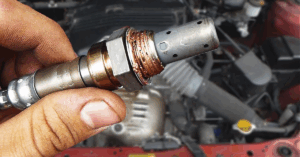
A faulty O2 sensor is the most common cause of the P0138 code. It may become contaminated, burnt, or coated in carbon, which interferes with its ability to monitor oxygen levels in the exhaust gases. When the sensor’s output is incorrect, the PCM may misinterpret the signal as a high-voltage fault. This incorrect reading leads to a stored error in the system.
2. Wiring and Harness Issues
Frayed, damaged, or corroded wires in the wiring harness can disrupt connectivity between the sensor and the engine control module (ECM/PCM). Over time, wear and tear in these components can affect data processing, causing erratic or false sensor readings. Poor connection may trigger the code even if the sensor is working properly. Always inspect the full length of connecting wires during troubleshooting.
3. Rich Fuel Running Conditions

A rich fuel running condition occurs when there’s too much fuel relative to air in the combustion mixture. This can be due to excessive fuel delivery or high pressure, overwhelming the sensor’s ability to stay within the normal voltage range. The sensor’s readings may falsely suggest a problem, prompting the PCM to detect and log a P0138 fault. Diagnosing fuel trim and injector performance is essential here.
4. ECM/PCM Software or Internal Faults
Sometimes, the ECM or PCM has outdated software or internal problems that misinterpret normal sensor output as faulty. If the module isn’t working correctly, it can cause a false high voltage reading even when the sensor is functional. A software update may be required to restore proper control logic. In rarer cases, internal data processing faults demand repair or replacement of the module.
What are the Common Symptoms of the P0138 Code?
When a P0138 code is detected, it often brings several symptoms that should not be ignored. These issues can affect engine function, fuel efficiency, and overall performance. Recognizing the early signs allows for quicker diagnosis and repair by a certified mechanic. Below are the most common symptoms linked to this faulty sensor condition.
1. Illuminated Check Engine Light
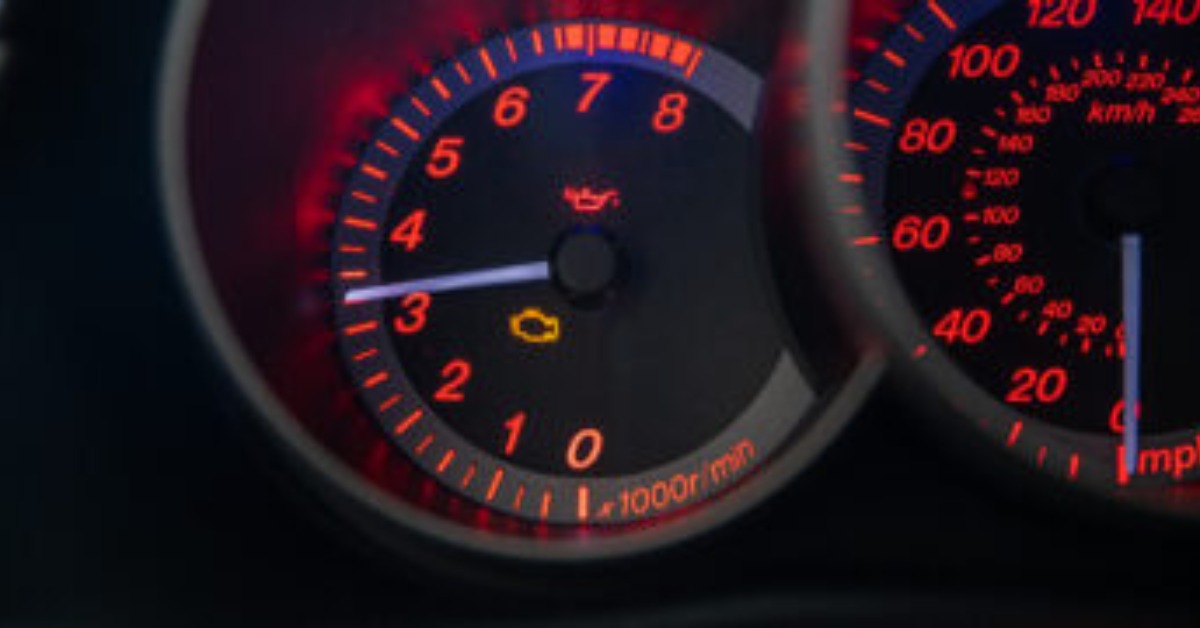
An illuminated check engine light is often the first indicator of a P0138 code. It signals something is amiss with the powertrain or emissions system. The code gets detected when the downstream O2 sensor sends abnormal voltage data. This warning prompts the need to diagnose the issue.
2. Poor Fuel Efficiency
One of the most noticeable symptoms is poor fuel efficiency, where the vehicle consumes more fuel than necessary. The engine may receive an incorrect air-fuel mixture, often due to a faulty sensor. This can reduce overall performance if not diagnosed quickly.
3. Engine Misfire
An engine misfire can occur when the mixture is either too rich or too lean due to bad sensor readings. Misfires affect combustion and increase fuel consumption. These are sometimes subtle but still impact engine behavior. A certified mechanic can help identify the root cause.
4. Rough Idling and Stalling
Rough idling and stalling are common when the O2 sensor fails to function properly. The engine receives the incorrect mixture, disrupting idle control and engine timing. These symptoms usually show up before other major issues. It’s important to diagnose the sensor early.
5. Lack of Acceleration and Power
A decrease in acceleration and engine power may stem from a faulty or malfunctioning O2 sensor. The engine may struggle to respond under load due to poor air-fuel balance. This issue can be subtle but is steadily impacting vehicle performance. Properly checking sensor functioning is key.
Long-Term Effects of Ignoring P0138
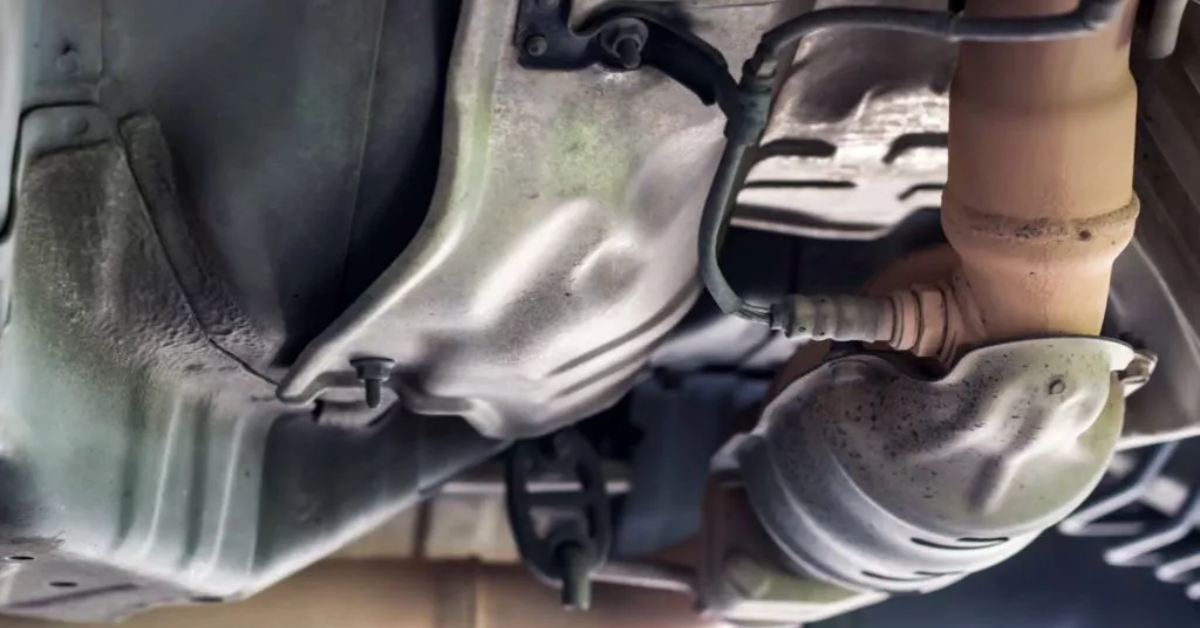
CarParts.com.
A P0138 code left unresolved can cause the engine control module (ECM) to continually overcompensate by enriching the air-fuel mixture, leading to carbon buildup in the combustion chamber and exhaust components. Over time, this can cause spark plug fouling, premature catalytic converter failure, and even engine misfires. These cascading effects often result in significantly higher repair costs than the initial fix.
How to Diagnose the P0138 Code
Step 1: Read Stored Codes with a Code Reader
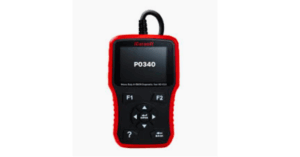
Begin diagnosis by connecting a code reader to the vehicle and checking for any trouble codes. Make sure to read all codes stored in the ECM and confirm the presence of P0138. Take note of any related fault codes that may assist in the repair process.
Step 2: Perform a Visual Inspection
Next, perform a visual inspection of the O2 sensor and its wiring. Look for visible signs of damage, such as frayed wires or wear around connectors. A damaged sensor or harness can easily lead to a false high-voltage reading.
Step 3: Test Sensor Output and Voltage
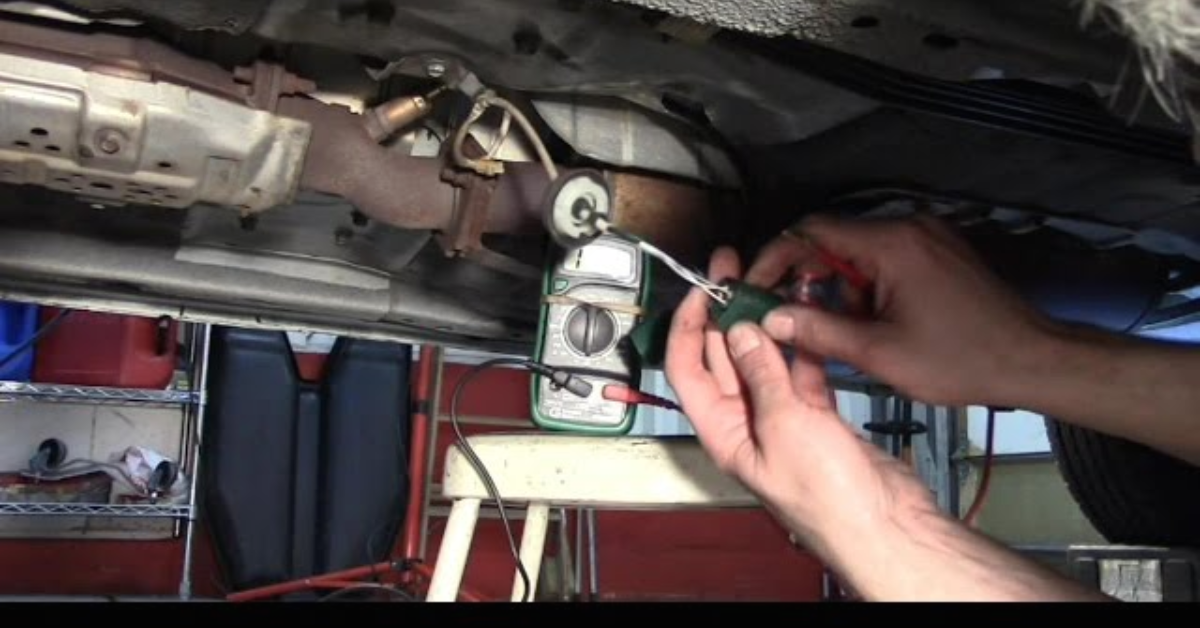
If no external issues are found, proceed to test the sensor using a multimeter. Measure the voltage output and compare the readings to the manufacturer’s specifications. This helps verify if the sensor is functioning correctly.
Step 4: Monitor and Determine Sensor Behavior
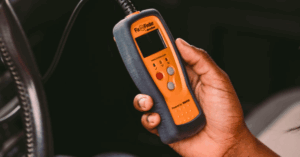
Some advanced code readers allow real-time data logging to monitor voltage changes. Observe if the sensor’s signal is actively adjusting during normal operation. This supports determining whether the sensor behavior is within the expected range.
Quick P0138 Repair Cost Table
| Repair | Estimated Cost (USD) | Notes |
| O2 Sensor Replacement | $100 – $300 | Most common fix; cost varies by vehicle |
| Wiring Repair | $50 – $200 | Depends on the damage and accessibility |
| ECM Reprogramming | $80 – $150 | Needed if the software is outdated |
| ECM Replacement | $300 – $1,200+ | Rare, but required for internal faults |
| Catalytic Converter (if needed) | $600 – $2,500+ | Only if the converter is damaged |
How to Fix the P0138 Code
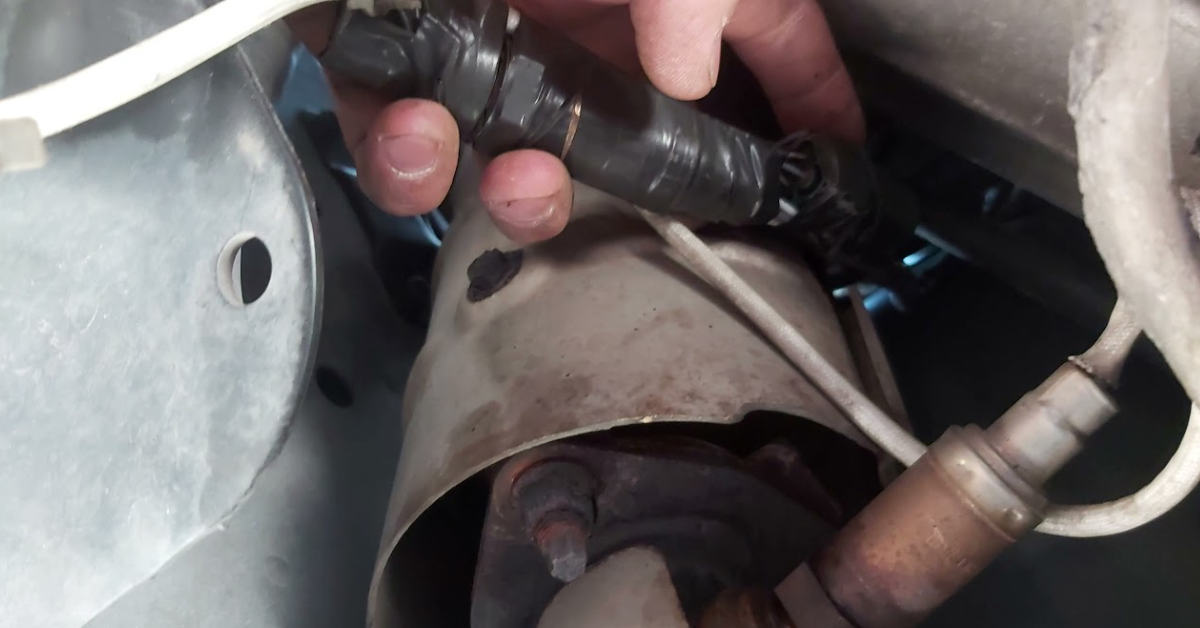
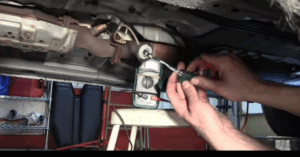
Fixing a P0138 code starts with identifying the root causes, which may include a faulty O2 sensor, wiring, or even the ECM. Begin by consulting a trusted manual like Chilton or accessing a detailed ALLDATA subscription for factory-level information. If the sensor is damaged, replacing it with a compatible replacement part can help restore proper voltage readings. For wiring, make sure all sections are clean, protected from external elements, and repaired if necessary.
In more advanced cases, reprogramming or replacing the ECM may be needed, which is best handled by a qualified professional mechanic. Each vehicle is different, so always check the owner’s manual, and consulting proper guides is key. Using tools for monitoring, performing regular maintenance, and applying accurate troubleshooting methods will help prevent future issues from arising. Though it may seem daunting, the process is manageable with the right knowledge, a clear process, and even DIY support from DIYers using single-vehicle platforms. Whether it’s a new part or a full system update, a serious approach to repair will ensure your auto stays running at its best, regardless of year, make, or model.
FAQs
-
How do you fix the code P0138?
Replace the faulty O2 sensor, check and repair damaged wiring, or update/reprogram the ECM if needed.
-
Can I drive with a P0138 code?
Yes, but it’s not recommended, as it may lead to poor fuel efficiency and long-term engine or emissions damage.
-
What causes an O2 sensor to read high voltage?
Common causes include a rich fuel mixture, shorted wiring, a failing sensor, or ECM issues.
-
Can a bad catalytic converter cause a P0138 code?
Indirectly, yes. A failing catalytic converter can affect downstream O2 sensor readings and trigger the code.

Mian Hashir is a passionate automotive enthusiast and the lead author at Car Garagee, a website dedicated to providing in-depth car reviews, maintenance tips, and the latest news in the automotive world. With years of experience in the industry, Hashir combines his technical knowledge with a love for cars to deliver insightful and engaging content. Whether you’re a car owner or a curious reader, Mian Hashir’s articles help readers make informed decisions, from choosing the right vehicle to understanding how to keep it in top condition.