The P0031 code is a signal from the OBD (On-Board Diagnostic) system to identify potential issues in a vehicle. When this trouble code is logged and retrieved, it often means a fault in the oxygen sensor circuit. It’s important to know this basic information to help mechanics and owners troubleshoot and resolve problems. The system helps by offering data to assess and address the code quickly. Understanding such codes is essential for efficient and accurate vehicle diagnostics.
What Does the P0031 Code Mean?
The P0031 DTC is a diagnostic trouble code that indicates a problem in the heater control circuit of the HO2S (Heated Oxygen Sensor) located at Bank 1, Sensor 1. This code is usually logged when the powertrain control module (PCM) detects that the actual and desired state of the sensor do not match, often due to low voltage. The PCM may set this fault if the wire to the heater is failing or not receiving the proper signal. The sensor, mounted ahead of the catalytic converter, measures the amount of oxygen in exhaust gas compared to outside air; this data helps the computer fine-tune the air-fuel ratio for better engine performance.
An accurate reading depends on the sensor reaching the right temperature, and if it doesn’t, fuel efficiency drops and emissions are increased. Since definitions can vary by vehicle manufacturer, it’s smart to consult a repair manual or database for the exact definition of this generic code, especially when repairing a different system.
What Are the Possible Causes of the P0031?
The P0031 code can appear for several reasons, all related to the sensor heater circuit or its supporting systems. To fix the problem accurately, it’s important to understand what may have triggered the DTC. Below are the most common issues seen in diagnostics across different vehicles. Each cause should be carefully inspected as part of the repair steps.
Faulty O2 Sensor

Reddit.
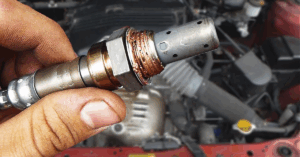
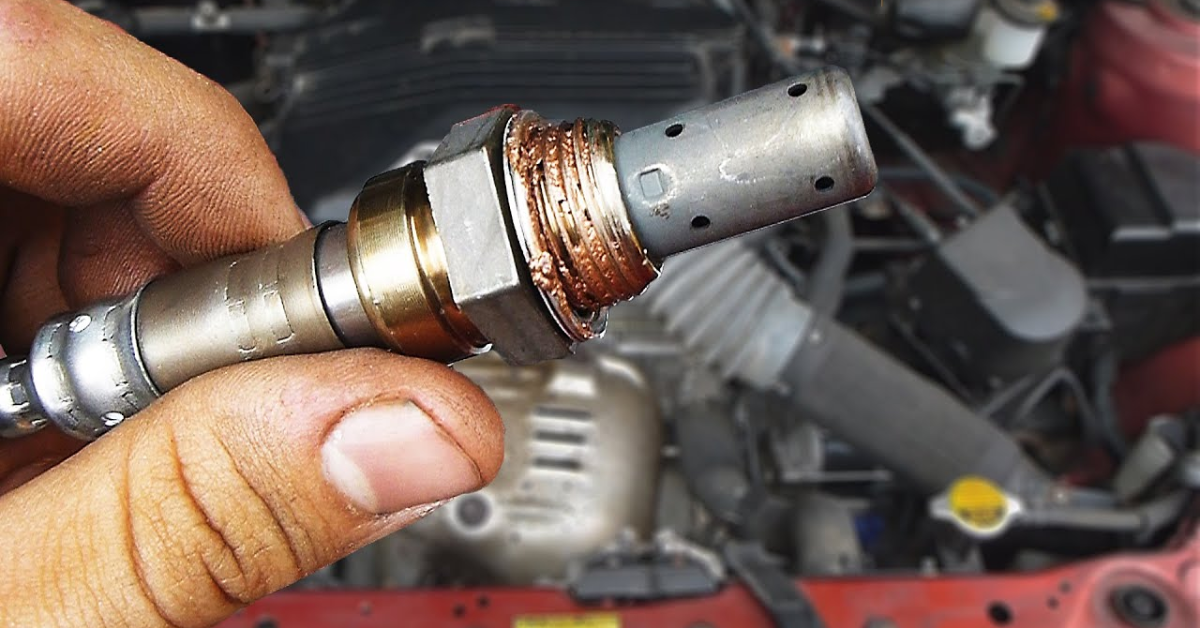
A faulty O2 sensor is a leading cause of the P0031 code, often due to wear or contamination. This affects the voltage and resistance, preventing proper sensor operation. It may fail to heat up as needed for accurate readings. Replacing the sensor usually resolves the problem.
Damaged Wiring or Poor Connections
Damaged wires, frayed, cut, or loose connections can interrupt the circuit. This results in unstable voltage readings or no power feed to the heater. Always check connectors, wiring, and ground during your diagnosis. Restoring clean, solid wiring is essential for a proper solution.
Failed PCM or Software Issues
The PCM may malfunction or contain outdated software or mismanage heater control commands. Such failure can prevent the sensor from reaching operating temperature. Some vehicles need a software update, while others require PCM replacement. These modules should be tested and reprogrammed when needed.
Blown Fuse or Relay Failure
A failed relay or blown fuse can stop power delivery to the heater circuit. Without the expected 12 volts, the PCM will log a DTC. This is a simple but often overlooked cause. Testing both components is an essential part of the repair steps.
Incorrect Resistance or Voltage
Incorrect resistance or voltage can stop the heater from warming up the sensor. Always measure using a multimeter and compare to the values in your service manual. These values may vary by make and model. Some systems require values under 0.8 A to function properly.
Sensor Heater Circuit Issues
Internal issues in the heater circuit, like broken wires or open loops, may cause failure. These are often hidden and need detailed testing. If the circuit fails, the sensor won’t heat correctly. You must refer to accurate diagrams from your manual or database to locate and fix faults.
What Are the Common Symptoms of the P0031 Code?
When the P0031 code appears in a vehicle, it often brings with it clear warning signs that shouldn’t be ignored. These symptoms can start subtly but may grow worse over time, especially if left unaddressed. They are usually tied to a failing HO2S Heater Control Circuit Low (Bank 1, Sensor 1). Recognizing and responding to these signs early can prevent more serious issues and help maintain engine health.
Check Engine Light
The most obvious and immediate sign of P0031 is the Check Engine Light turning illuminated. It serves as a warning, alerting the driver to a potential problem. This light is connected to many systems, including the sensor circuit. It’s a prompt to run a scan and inspect the fault.
Poor Engine Performance
One of the key symptoms is poor engine performance—the vehicle may hesitate, misfire, or feel sluggish. A bad sensor reading throws off combustion timing and airflow. This can lead to inefficient running and lower power. It’s especially noticeable during acceleration or uphill driving.
Excessive Fuel Consumption
A faulty oxygen sensor can lead to an improper air-fuel mixture, causing excessive fuel consumption. More fuel is used than needed for efficient combustion. This reduces fuel economy and increases overall costs. It’s one of the clearest signs of sensor circuit trouble.
Engine Hesitation or Lack of Power
The engine may show hesitation or a lack of power, particularly on cold starts. The sensor needs to heat quickly for accurate readings, and failure to do so delays engine response. Drivers may feel delayed throttle or surging. These symptoms are a red flag for deeper electrical issues.
Drivability Issues / Failsafe Mode
When conditions worsen, the vehicle may enter failsafe mode to prevent damage. This can create serious drivability issues, such as poor acceleration and restricted performance. The system limits power to avoid further damage. These effects are often noticeable during normal driving.
Increased Emissions
A malfunction in the Heater Control Circuit affects the air-fuel balance, leading to increased exhaust emissions. This is not just a mechanical issue but an environmental one. The engine will run richer than necessary. It could also result in failing emissions tests and a strong exhaust odor.
How to Diagnose the P0031 Code
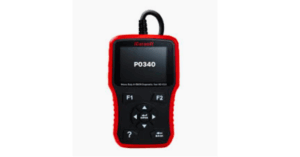
To diagnose the P0031 code, start with a step-by-step approach using an OBD-II scanner to clear the error and check for other related trouble codes. Next, inspect the oxygen sensor and its wiring, connections, harness, and connector for damage, corrosion, loose plugs, or fraying, especially near Bank 1 Sensor 1 at the upstream exhaust manifold before the catalytic converter. Use a multimeter to measure resistance, voltage, and ground at the heater control circuit, then compare those values with the manufacturer’s specifications in the service manual.
Check fuses, relays, and the fuse box, and if the sensor is faulty, replace it—especially if testing reveals incorrect readings, electrical connection failures, or visual signs of wear. If the issue persists, also consider hidden leaks or a clogged converter as the underlying cause, which can vary across makes, models, and vehicle engine types or cylinder layouts.
Tips to Avoid the P0031 Code in the Future
To keep the P0031 code from coming back, it’s a good idea to take care of your oxygen sensor and the parts connected to it. Try checking the wires, connectors, and fuses every few months—especially if you live in a place with lots of rain or snow. Dirt, water, or rust can cause damage over time, which might lead to sensor problems.
Also, make sure to follow your car’s maintenance schedule. Most oxygen sensors wear out after 60,000–100,000 miles, so replacing them on time helps. Use good-quality fuel and keep an eye on your engine performance. If your car starts using more gas than usual or feels weak when driving uphill, that might be an early warning sign. A little care now can save you from bigger repairs later.
How to Fix the P0031 Code
Fixing the P0031 code begins by understanding that it shares common triggers and symptoms with other engine codes, but the exact diagnostic and repair procedure will depend on the specifications of your vehicle. If you’re doing the troubleshooting on your own, it’s a good idea to refresh your automotive knowledge before attempting any fixes. Always consult the repair manual or a trusted online database to learn the proper procedures. In many cases, improving performance and removing the DTC involves replacing the bank 1 sensor 1, also called the air/fuel sensor, which, along with the heater, may wear out as the vehicle ages, gradually reducing efficiency and causing the error over time.
FAQs
How do I fix code P0031?
Fixing P0031 usually involves replacing the bank 1 sensor 1 (air/fuel sensor) or repairing damaged wiring, connectors, or the heater control circuit.
Can I drive with a P0031 code?
Yes, but it’s not recommended. Driving with a P0031 code can lead to poor fuel efficiency, engine performance issues, and higher emissions over time.
Where is the heater control circuit bank 1 sensor 1?
It’s located on the engine side with cylinder 1, typically in the exhaust manifold before the catalytic converter.
How to fix bank 1 sensor 1 code?
Inspect and possibly replace the oxygen sensor, check the wiring, fuse, relay, and test voltage and resistance with a multimeter.

Mian Hashir is a passionate automotive enthusiast and the lead author at Car Garagee, a website dedicated to providing in-depth car reviews, maintenance tips, and the latest news in the automotive world. With years of experience in the industry, Hashir combines his technical knowledge with a love for cars to deliver insightful and engaging content. Whether you’re a car owner or a curious reader, Mian Hashir’s articles help readers make informed decisions, from choosing the right vehicle to understanding how to keep it in top condition.